
About
Mumbai
A City of Contrasts and Resilience
Mumbai thrives on beautiful paradoxes, creating an energy found nowhere else:
Financial Powerhouse & Creative Hub: It is the indisputable Financial Capital (home to the BSE and corporate HQs) yet also the vibrant heart of Bollywood, the world’s largest film industry, where dreams are born daily.
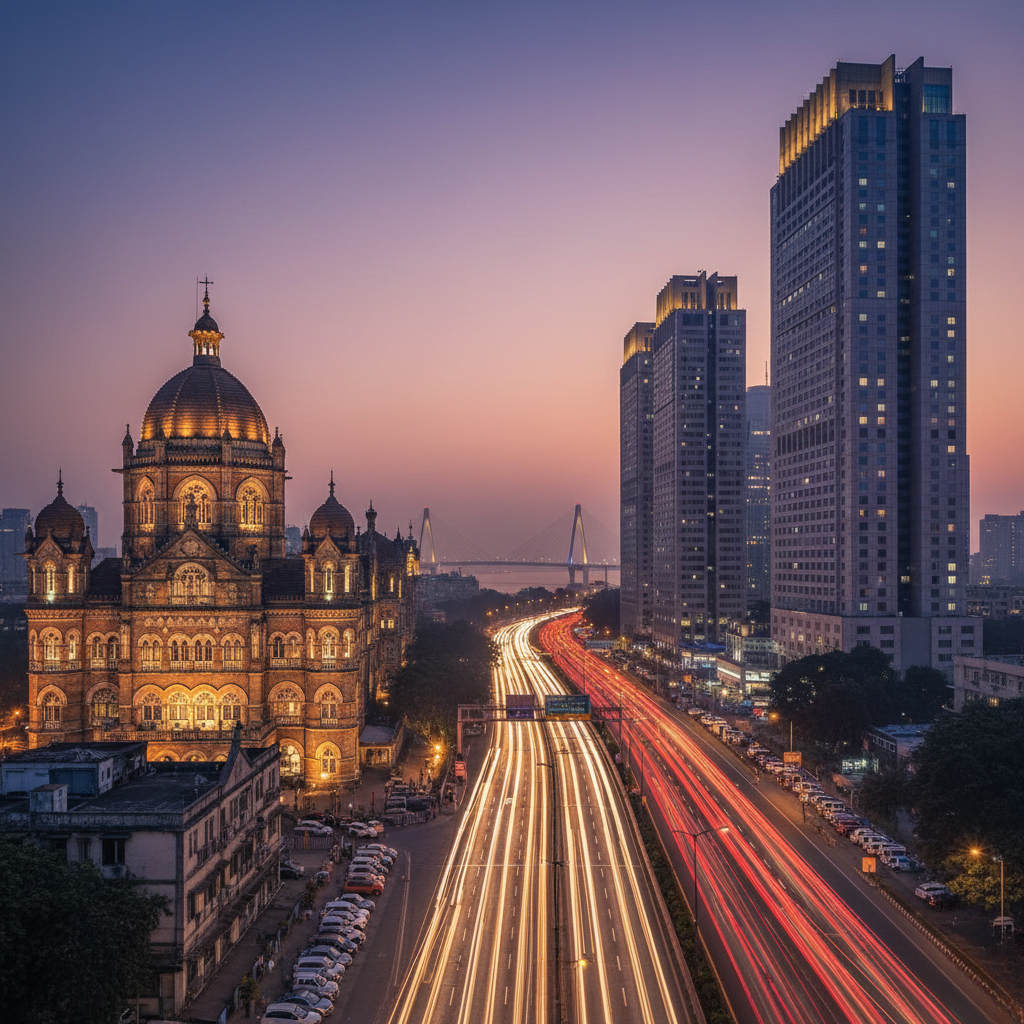
Historic Heritage & Modern Marvels: You can stroll past stunning Victorian Gothic and Art Deco Ensembles (a UNESCO World Heritage Site) before driving over the engineering marvel of the Bandra-Worli Sea Link.
Crowding & Community: One of the world’s densest cities, the extreme proximity fosters an unparalleled sense of connection. The Dabbawalas (the lunchbox delivery system) and the bustling local trains are testaments to this collective resilience and shared purpose.
Wealth & Hustle: Staggering wealth in luxurious high-rises stands next to Asia’s largest slums (like Dharavi), which function as dynamic, self-sufficient economic engines, demonstrating the city’s ceaseless spirit of enterprise across all levels of society.
The Melting Pot: Culture and People
The true soul of Mumbai lies in its people—the resilient Mumbaikars.
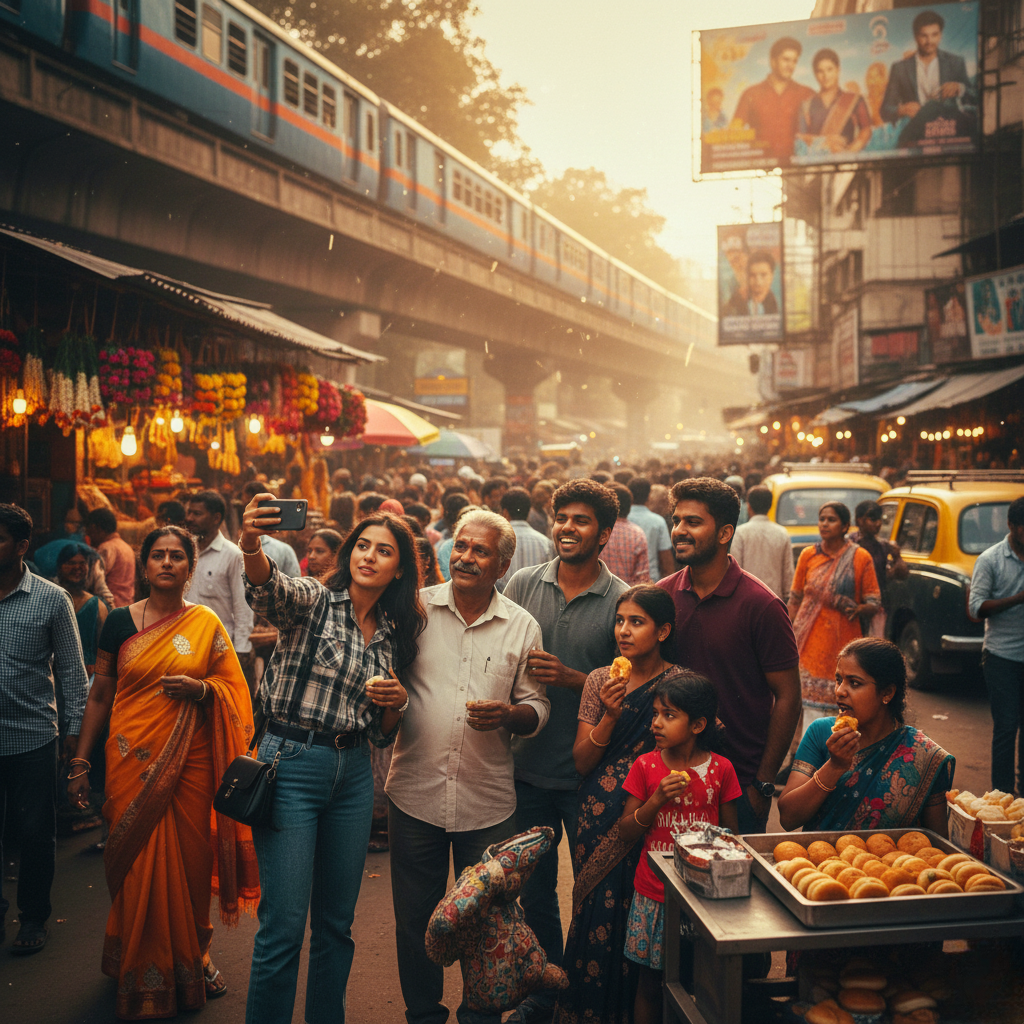
Aamchi Mumbai (Our Mumbai): The city is a vibrant tapestry woven from countless cultures, languages (Marathi, Hindi, English, Gujarati, and many more), and traditions from every corner of India. It welcomes everyone who arrives with ambition, promising a chance to succeed through sheer hard work and determination.
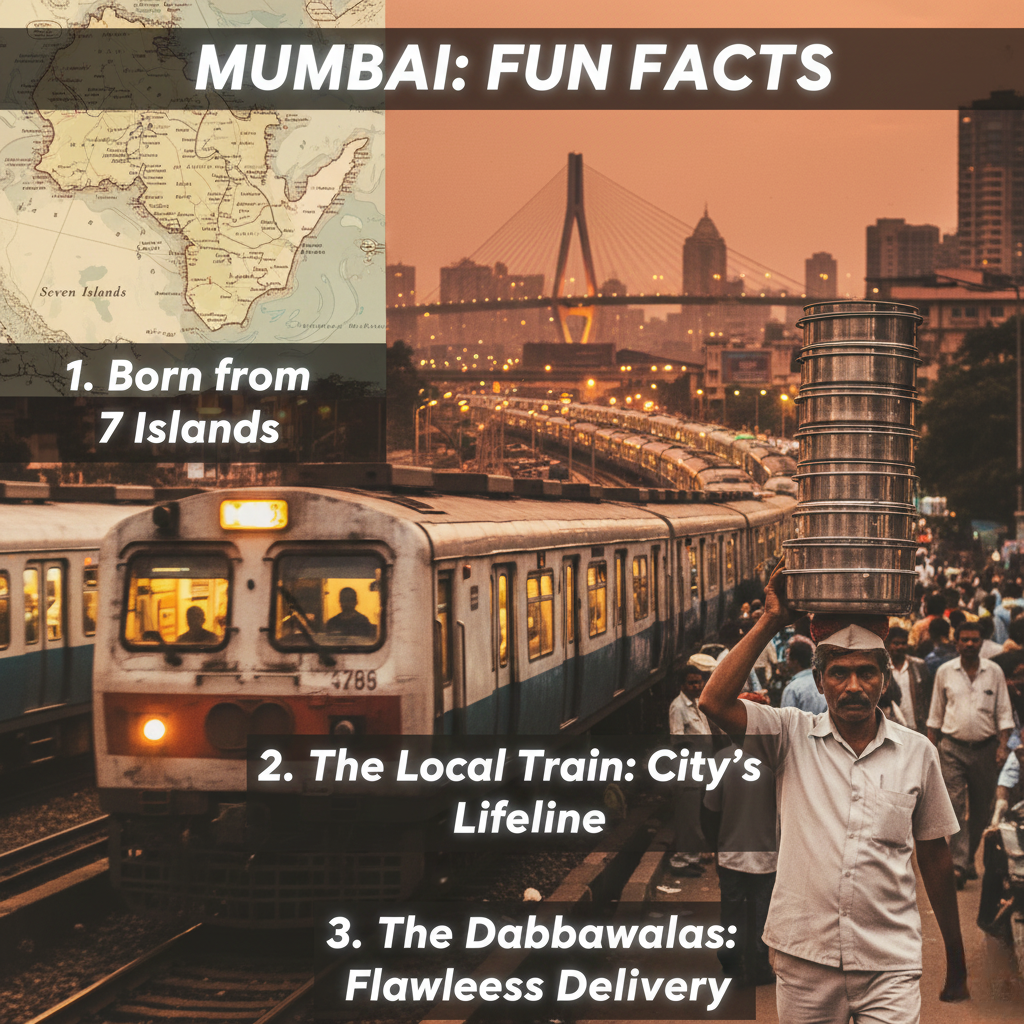
The Lifeline: The suburban local trains are often called the city’s lifeline, transporting over 7.5 million people daily. They are a symbol of Mumbai’s efficiency, speed, and the shared struggle and camaraderie of its citizens.
Iconic Figures: From the legendary Dabbawalas (who achieve near-perfect logistics in lunch delivery) to the tireless vada pav vendors, every Mumbaikar plays a critical role in the city’s 24×7 rhythm.
Fun Facts that Define Mumbai
Here are key historical and cultural facts about Mumbai:
Seven Islands: The city was originally an archipelago of seven separate islands, joined over centuries through massive land reclamation projects.
Named by a Goddess: The name ‘Mumbai’ comes from the local patron deity, Mumba Devi, combining Mumba (the goddess) and Aai (mother).
First in India: The first-ever passenger train in India ran from Mumbai (then Bombay) to Thane in 1853.
Gateway to India: Built for King George V’s arrival, it became the symbolic point for the last British troops to depart India in 1948.
Natural Harbour: Its strategic natural deepwater harbour made it the ideal port and commercial hub centuries ago.
Cricket Capital: Mumbai has a sacred link to cricket, producing legends like Sachin Tendulkar and hosting historic matches at the Wankhede Stadium.
Town Statistics

Area

Population

Language
Marathi

Revenue
Frequently Asked Questions
October to February (winter) for pleasant, mild weather. Avoid the heavy June-September monsoon.
Yes, it is considered one of the safest major cities in India. Standard urban precautions should be taken.
Yes, English is widely spoken in business, tourism, and services, though Marathi and Hindi are the local languages.
Local trains (fastest, but crowded) and app-based cabs (Uber/Ola) are the most reliable.
Vada Pav (the city's signature), Pav Bhaji, and Bhel Puri.
It is the center of India's finance and the Bollywood film industry, attracting millions seeking success.
Generally yes. Eat at vendors with long lines of locals and opt for hot, freshly cooked items. Always use bottled water.
The Gateway of India, Marine Drive, CSMT Station, and the Elephanta Caves.